Bleeding, haematoma
Blood can collect in the breast, most often in the first 24 hours. That is why monitoring at the clinic and drains exist.
In plain wordsSudden pain or swelling on one side only should be reported straight away.
When your breasts weigh on your shoulders, neck and back, reducing them is a medical answer as much as a cosmetic one. Medi’Go supports you in Tunis: assessment, a technique chosen for your volume, and follow-up after the operation.


Breast reduction removes part of the gland, fat and skin so the breasts are lighter and better proportioned. When the breasts are too large for the body and cause problems, the medical term is breast hypertrophy. The operation is done under general anaesthetic and takes about two to three hours.
The nipple is not removed: it stays attached to the gland and is moved up to its new position. Medical sources offer this surgery first when very large breasts cause real physical problems, after trying well-fitted bras.
Sources: NHS, “Breast reduction (female)”; St Joseph’s Hospital, “Breast reduction”.
Four moments when it shows. The photo changes at each step as you scroll.



On wakingThe weight of the breast rests on the strap. It digs a red groove into the skin, still there when you undress in the evening.
In plain wordsA groove that stays marked after the day is a common sign of heavy breasts.
The upper body leans forward under the weight. Neck, upper back and lower back compensate all day, especially sitting at a screen.
In plain wordsPain that comes back every day in the same place is worth telling a doctor.
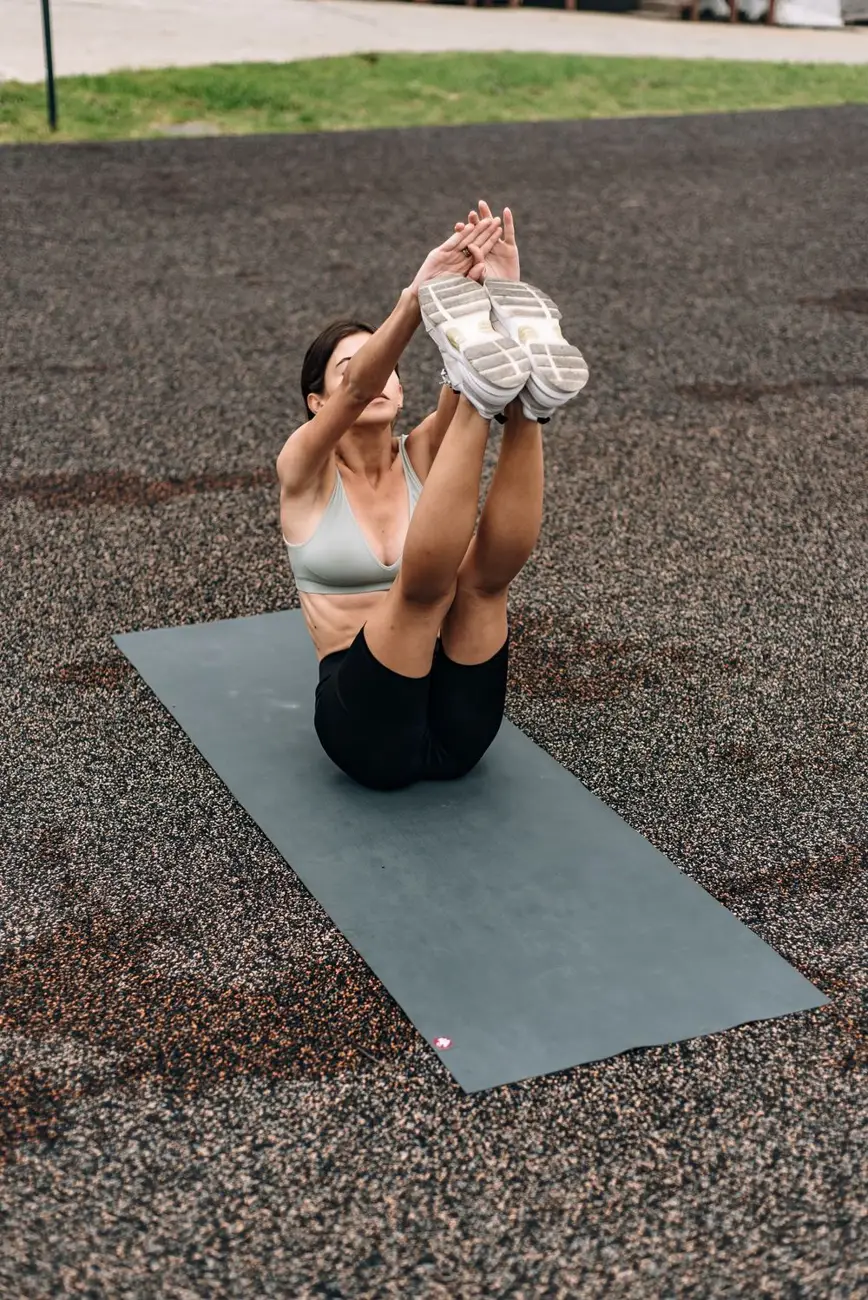
The breasts move with every step. Many women avoid running, dancing or cardio, or get irritation in the fold under the breast when it is hot.
In plain wordsIf sport becomes a problem, it is not a detail: it is a reason to consult.
You choose the size for the bust and the rest of the garment hangs loose. Shirts gap, dresses do not fall straight.
In plain wordsA garment that fits the hips but not the bust is a sign of unbalanced volume.
Tick what applies to you. You get a message ready to send to the team, with your problems already described.
This is not a diagnosis. The surgeon assesses your case and confirms the indication at the consultation.
In plain wordsBreasts that no longer change and a stable weight: you can decide calmly.
In plain wordsPlans for a baby or a big weight change do not close the door, they change the right moment.
Tap a card to turn it over.
The surgeon chooses according to the volume to remove, the shape and the skin. Pick one: the scar draws itself.
A single ring-shaped scar at the edge of the areola. It blends into the change of skin tone.
The ring around the areola and a line running down to the fold under the breast. It leaves the fold free.
The ring, the vertical line and a horizontal scar hidden in the fold under the breast. This is the pattern that allows the most skin to be removed.
Like any surgery, breast reduction has risks. Knowing them beforehand is part of the decision.
Blood can collect in the breast, most often in the first 24 hours. That is why monitoring at the clinic and drains exist.
In plain wordsSudden pain or swelling on one side only should be reported straight away.
Healing can be slow, scars can be thick or red, and an infection is possible. Smoking and weight increase this risk.
In plain wordsStopping smoking before the operation protects healing.
Nipple sensation can change: most often it is temporary and can last up to six months, and sometimes it stays. Breastfeeding can be limited.
In plain wordsPlans to breastfeed are told before, not after.
Choose a stage: the swelling and the scar change. They move on by themselves if you touch nothing.
The operation takes two to three hours under general anaesthetic. You stay one to two nights at the clinic, sometimes with thin drains that remove blood.
Rest, no lifting. You do not drive while the seat belt hurts. Bruises are normal and fade.
Depending on the job, work resumes after two to three weeks off. The swelling goes down, without being gone.
Avoid stretching, strenuous exercise and heavy lifting for about six weeks. The scars are still red.
The swelling has most often gone by three months. The breasts take their final shape.
The scars keep fading and paling over the following months, up to about a year according to surgeons.
One contact from the first message to the check-up after the operation.

Under 3 hours’ flight from FranceUnder three hours from France. The surgeon clears you to fly home at the check-up.
A Medi’Go assistant by WhatsApp, before, during and after.
Your file stays medical. Your questions about breastfeeding, weight or your body stay between you and the team.
The stay is organised end to end. You have nothing to look for on site.
From the first message to the check-up, you always know what comes next.
You write to the team on WhatsApp with a few photos and your problems. The assessment from photos is free.
The surgeon studies your case and states the technique and target volume. You receive a written quote before any commitment.
Transfers, clinic and hotel are arranged. Consultation with the surgeon on site, then the operation.
A medical check-up before you go home, then remote follow-up: photos, recovery advice and answers from the team.
A full assessment before, personal follow-up after, and a Medi’Go assistant available throughout.
What we do not promise: a precise cup size or a result identical to another patient’s. The surgeon decides the volume and the technique at the consultation.
The final amount depends on the volume to remove and the technique, confirmed at the consultation. Written quote before any commitment. If an additional breast lift is needed, the price starts at €2,850 (see breast surgery).
Get my quote→Not included The flight is not included.
In France, health insurance reimburses a breast reduction done for medical reasons, under conditions, notably when more than 300 g are removed per breast. For an operation abroad the rule differs: ask your insurer and your top-up insurance before booking.
About two to three hours, under general anaesthetic, depending on the extent of the reduction.
Most often one to two nights. Thin drains may be placed to remove blood.
Allow two to three weeks off, depending on your job and your recovery.
Avoid stretching, strenuous exercise and heavy lifting for about six weeks. Your surgeon confirms the date at the check-up.
Around the areola, sometimes in a vertical line down to the fold, and in the fold under the breast for the anchor scar. The surgeon chooses with you.
It can change. Most often the loss is temporary and can last up to six months, sometimes it is permanent.
It can be limited. If you plan to breastfeed, say so before the operation.
Yes, with a pregnancy or weight gain. A stable weight helps keep the result.
As with any surgery: bleeding, infection, slow healing, thick scars, asymmetry. Smoking and weight increase the risks.
For a short flight, a stay organised end to end and a team that supports you, at a price given in advance. The surgeon and the technique are chosen on the assessment, as anywhere.
Free, confidential and with no commitment. An assistant answers you on WhatsApp with an opinion and a written quote.
Breast reduction removes volume. For another need, another surgery exists.



Sources: NHS, “Breast reduction (female)” (nhs.uk); St Joseph’s Hospital, “Breast reduction” (stjosephshospital.co.uk); French health insurance, reduction mammoplasty (CCAM), consulted October 2026. Recovery times: protocol of Medi’Go’s partner surgeons. Results vary from patient to patient.

We use cookies to measure the site’s audience and the performance of our ads. The cookies needed for the site to work are always active. You can accept all, refuse all or choose, and change your mind at any time. Cookie policy