Harvesting
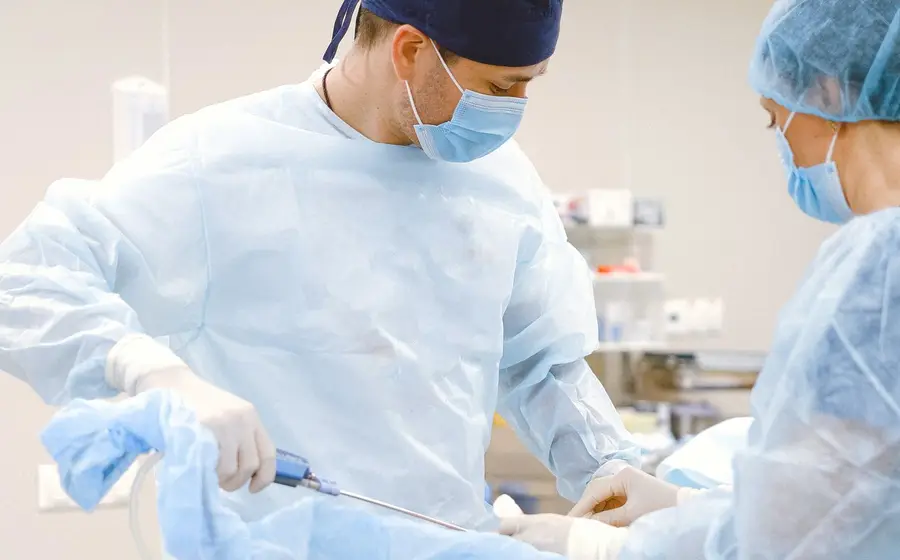
Fat is taken from the abdomen or the inner thighs through small 3 to 5 mm incisions. Local anaesthesia is usually enough.
In plain wordsA small donor area, not a liposuction to lose weight.
With age, the face does not only sag: it hollows. Fat transfer takes your own fat, prepares it, then injects it where volume is missing. Medi’Go looks after you in Tunis: opinion from photos, written quote, follow-up after surgery.
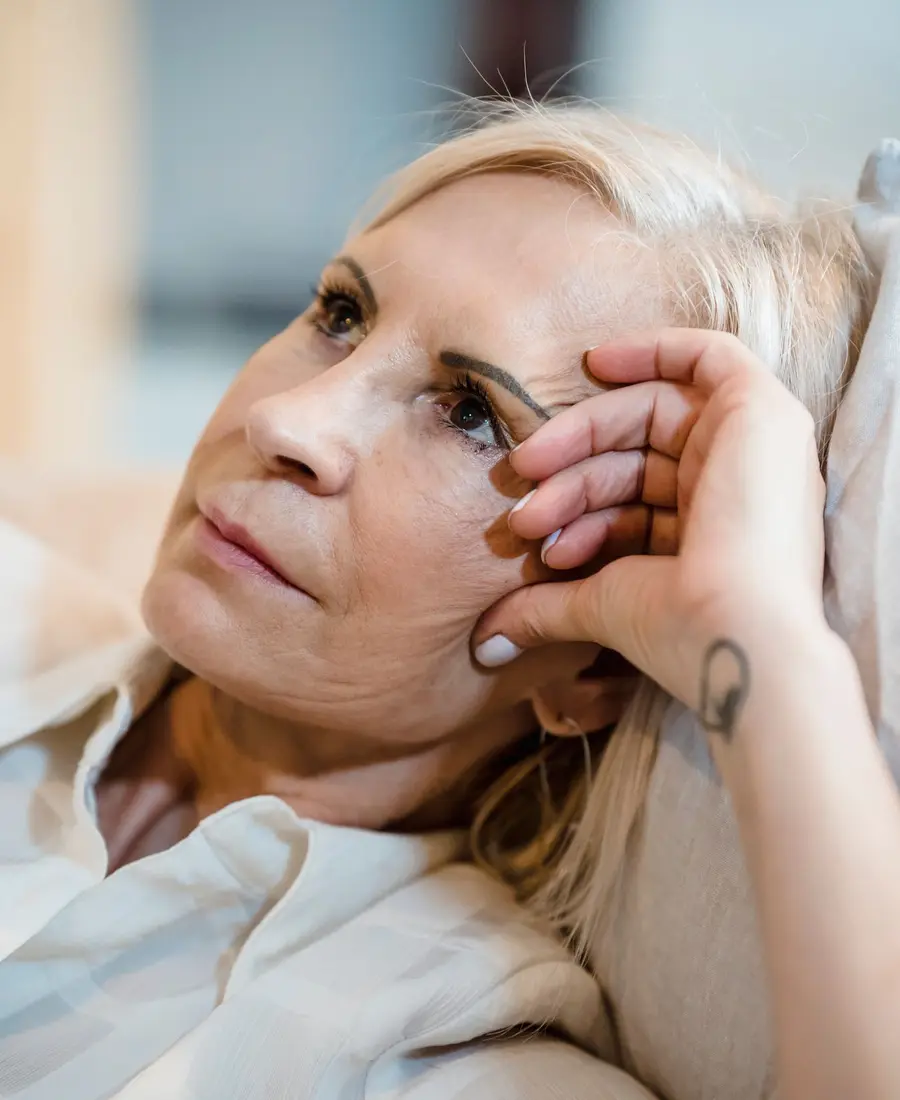
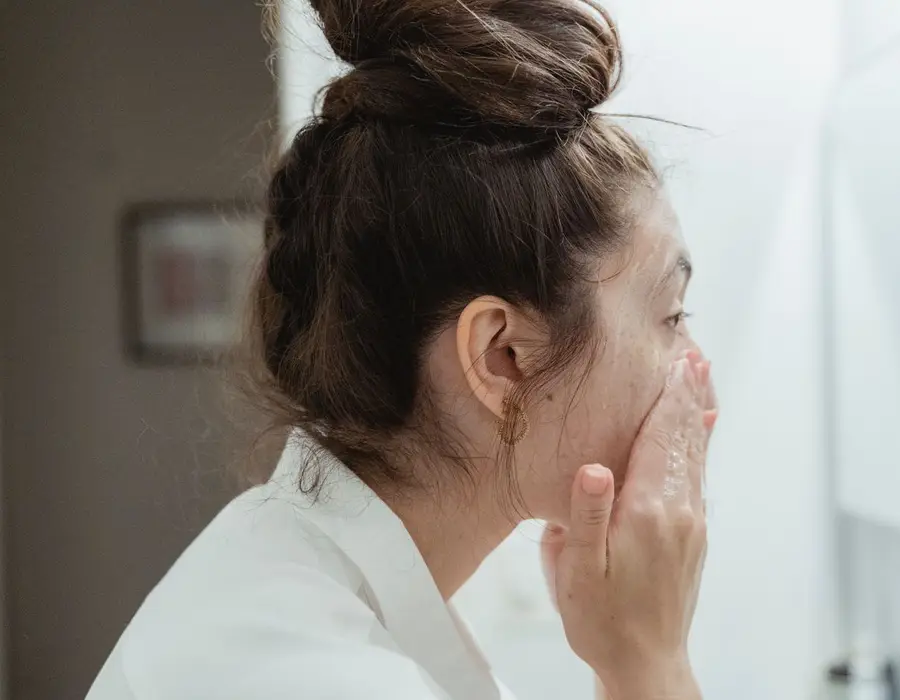
As we age, the face loses fat in certain places: under the eyes, at the temples, on the cheekbones, in the cheeks. Fat transfer, or lipofilling, restores this volume with your own fat, taken from the abdomen or the inner thighs.
It treats a lack of volume. Excess skin is treated differently: that is the role of a facelift, which the surgeon may combine with fat transfer.
Source: ISAPS, “Facial fat transfer”.
Touch an area: it fills in on the face. The surgeon decides the areas and quantities after studying your photos.
A hollow under the lower eyelid shadows the eyes. The fat is placed in a thin layer. It is a delicate area where little is injected: it is entrusted to an experienced surgeon.
Ask for an opinion on this area →Hollow temples make the upper face look drier and more angular. Volume is restored there to bring back a softer contour.
Ask for an opinion on this area →A cheekbone that loses projection lets the gaze slide downwards. Volume brings back relief and light in the middle of the face.
Ask for an opinion on this area →Hollow cheeks and folds between the nose and mouth can come from a loss of volume, not only from skin. The surgeon judges from your photos what comes from volume.
Ask for an opinion on this area →For a light volume, fat can also be used in the lips. The effect is moderate and the surgeon judges from your photos whether it is the right tool.
Ask for an opinion on this area →Fat can refine the contour of the chin and jawline. A lack of projection that comes from bone cannot be corrected with fat.
Ask for an opinion on this area →From the donor area to the face, usually in about an hour.
Fat is taken from the abdomen or the inner thighs through small 3 to 5 mm incisions. Local anaesthesia is usually enough.

In plain wordsA small donor area, not a liposuction to lose weight.
The harvested fat is separated from oil and fluid, then prepared for injection. The preparation method varies from one surgeon to another.
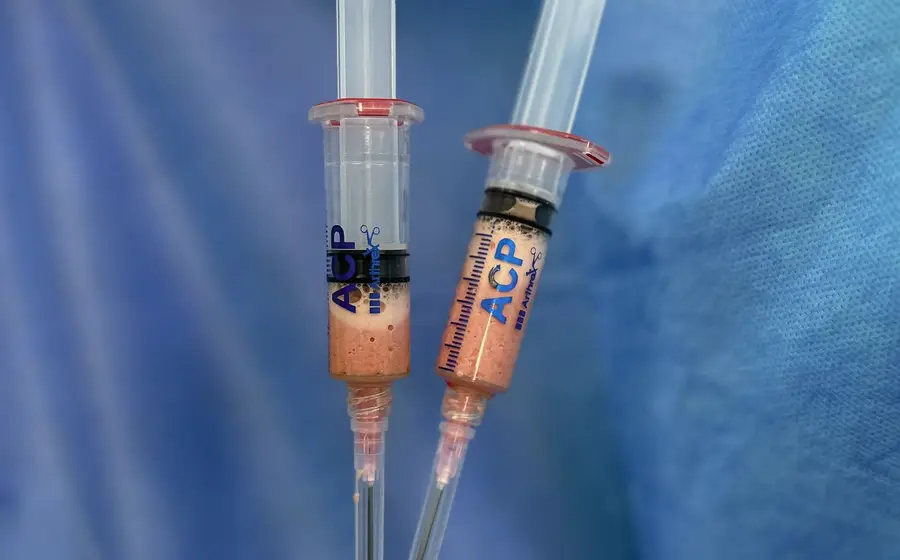
In plain wordsOnly the usable fat is injected.
The fat is injected in small amounts, at several levels, into the chosen areas. Sedation or general anaesthesia remains possible if another operation is combined.
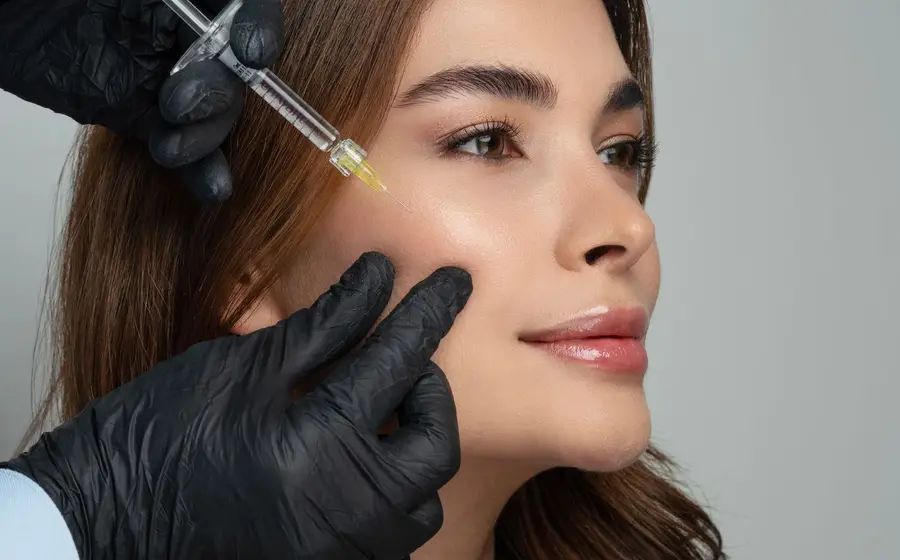
In plain wordsVolume is built in small touches, not in one block.
Part of the injected fat does not survive. The surgeon knows this and allows for it.
Source: ISAPS, “Facial fat transfer”.
Three answers to three needs. The choice is made with the surgeon, from your photos.
| Hyaluronic acid | Fat transfer | Facelift | |
|---|---|---|---|
| The principle | An injected product fills a hollow or a wrinkle. | Your own fat is harvested, prepared and injected. | Tissues are lifted and the skin is redraped. |
| For which need | Light volume, wrinkles, lips. | A loss of volume: under-eyes, temples, cheekbones, cheeks. | Sagging skin and tissues. |
| After the procedure | Temporary effect, to be renewed. | Part is reabsorbed, the rest is considered lasting. | See the facelift page. |
Fat transfer is a medical procedure. Knowing the risks beforehand is part of the decision.
One side may look fuller than the other, or the surface may show small irregularities. A touch-up is possible once the swelling has gone.
In plain wordsA face is judged after the swelling, not during it.
Because part of the fat is reabsorbed, the final volume may be a little lower or higher than planned.
In plain wordsThe planned volume is a goal, not a guarantee.
Like any surgery, fat transfer carries a risk of infection, at the donor site as well as in the injected areas.
In plain wordsWarm redness, increasing pain or fever must be reported the same day.
Choose a step: the swelling and bruising change on the face. They move on by themselves if you touch nothing.
Swelling sets in. Anaesthetic fluid may drain from the donor site during the first 24 hours.
It peaks around the third day, then goes down. Bruising and tenderness are expected, on the face as well as at the donor site.
Most patients resume their activities between seven and ten days. Make-up can cover remaining bruises. A first check-up usually takes place around one week.
The surgeon checks progress, usually at three weeks. Swelling has gone down a lot and the volume keeps refining.
The result is assessed at about three months. Part of the fat has been reabsorbed, as the surgeon planned.
Once the reabsorbed part has stabilised, the remaining volume is considered lasting. Your face then keeps ageing normally.
Indicative timings from ISAPS: the surgeon gives written instructions suited to your case.

One contact from the first message to the check-up.
Before, during and after surgery, the same person answers you on WhatsApp and coordinates with the clinic.

Airport welcome, transfers and the hotel are included in the package.

You talk to the surgeon before deciding, then he checks the aftermath with you.
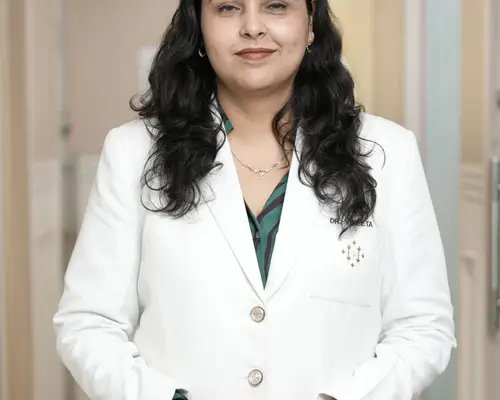
From the first message to the check-up, you always know what comes next.

Front and side views, make-up removed, in daylight. They stay confidential: only the medical team sees them.

The surgeon studies the areas to treat and the amount of fat planned. The quote is written, before any commitment.
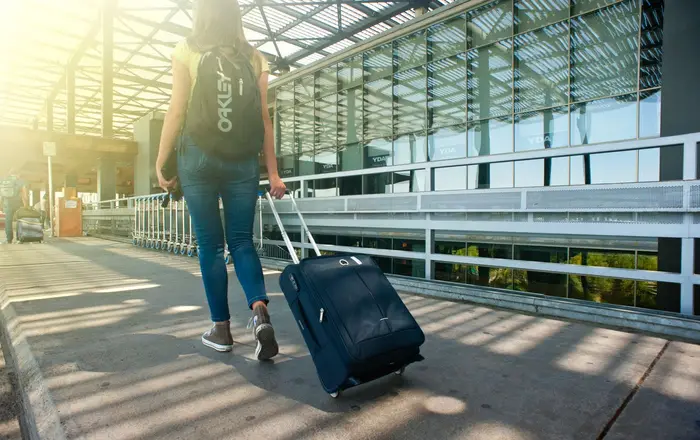
Transfers, clinic and hotel are organised. Consultation with the surgeon on site, then the procedure.
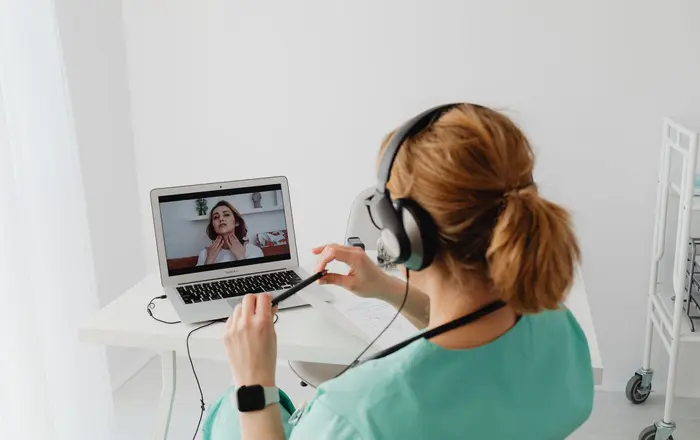
The surgeon checks the aftermath, then follow-up continues remotely with photos, advice and answers from the team.
The final amount depends on the areas treated and the amount of fat needed. Written quote before any commitment, after your photos are studied.
Get my quote→Not included The flight, any tests the doctor requests and the discharge prescription are not included.
The price depends on the areas treated and the amount of fat. It is shown in the “The price” section and confirmed in writing after your photos are studied.
From the abdomen or the inner thighs, through small 3 to 5 mm incisions.
About one hour, depending on the areas treated. It is usually done under local anaesthesia, sometimes with sedation or general anaesthesia if another operation is combined.
Part of the fat is reabsorbed in the first months. Once that part has stabilised, the remaining volume is considered lasting. The face then keeps ageing normally.
Swelling peaks around the third day, then goes down. The result is judged at about three months.
Most patients resume their activities between seven and ten days. Make-up can cover remaining bruises.
Hyaluronic acid is an injected product with a temporary effect. Fat transfer uses your own fat and aims for a lasting volume. The table above compares them with the facelift.
Yes, it is common: the facelift lifts the tissues, the fat restores the lost volume. The surgeon decides on the combination from your photos.
The surgeon checks your health, your medication and your habits (smoking) at the consultation. You also need enough fat reserves for the harvest.
Front and side photos, make-up removed, hair tied back, in daylight, without filters, and a close-up of the area that bothers you.
Free, confidential and no obligation. The surgeon studies your photos and your adviser answers you on WhatsApp.
Fat transfer restores volume to the face. For another need, another surgery exists.
Sources: ISAPS, “Facial fat transfer” (isaps.org); Moellhoff et al., “Arterial embolism after facial fat grafting: a systematic literature review”, 2023 (PMC10784353). Results vary from one person to another. This page does not replace a medical consultation.

We use cookies to measure the site’s audience and the performance of our ads. The cookies needed for the site to work are always active. You can accept all, refuse all or choose, and change your mind at any time. Cookie policy