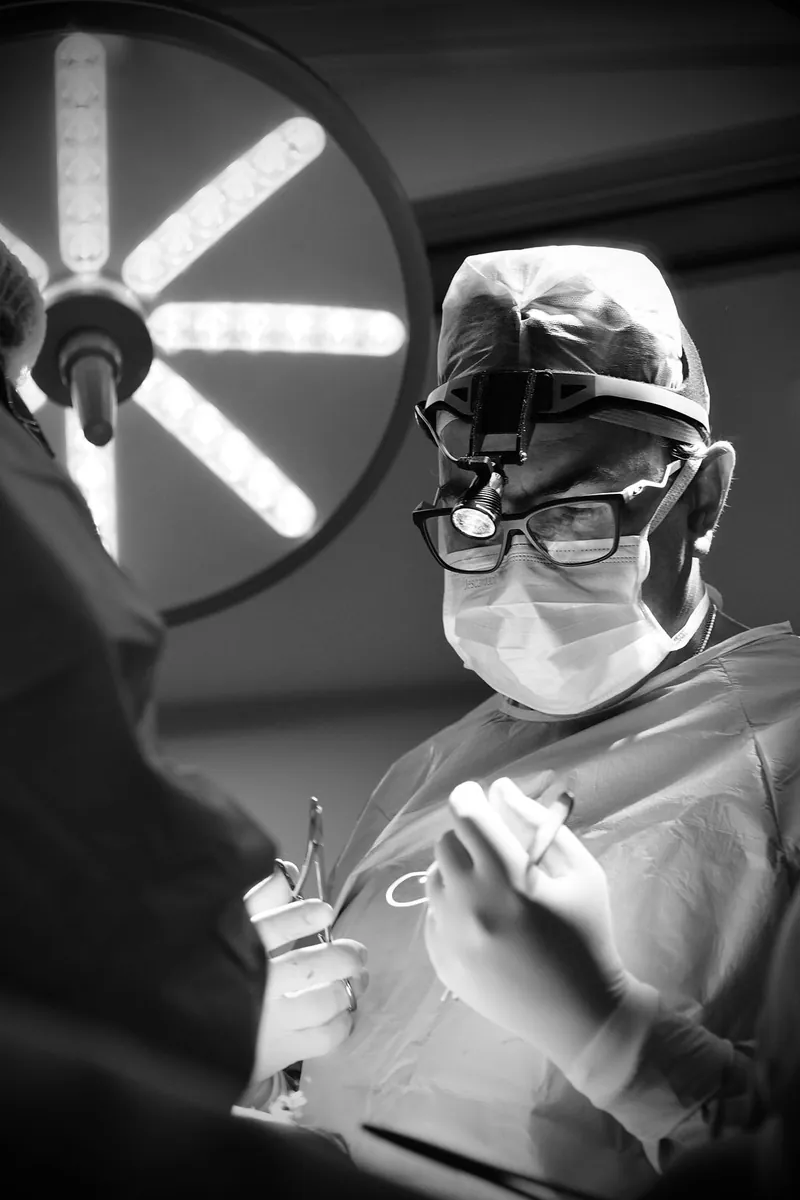
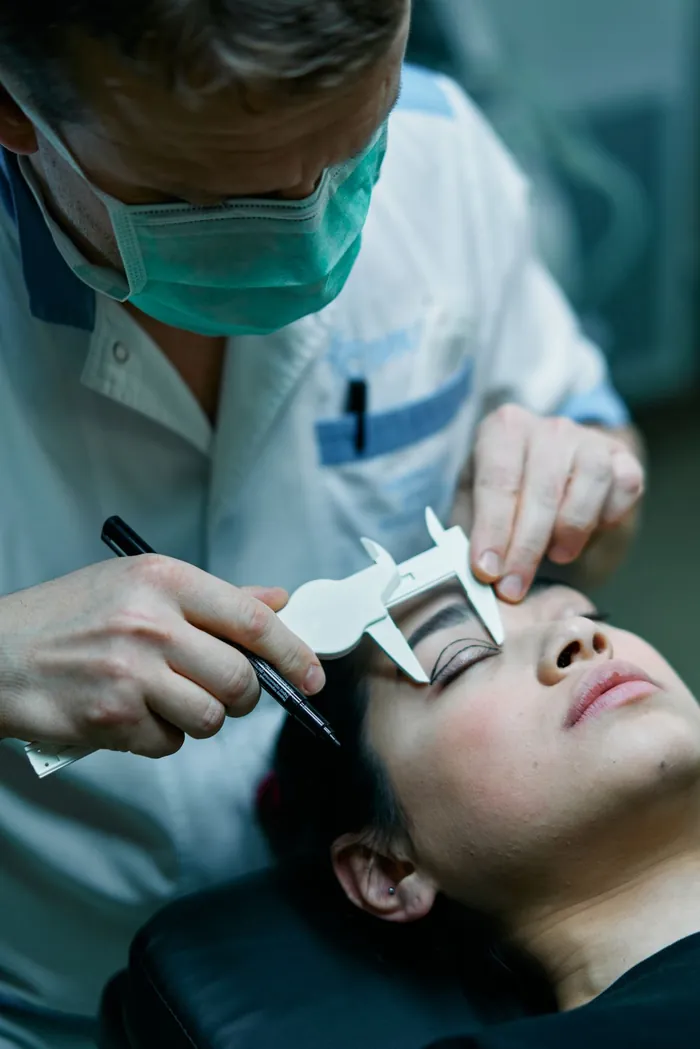
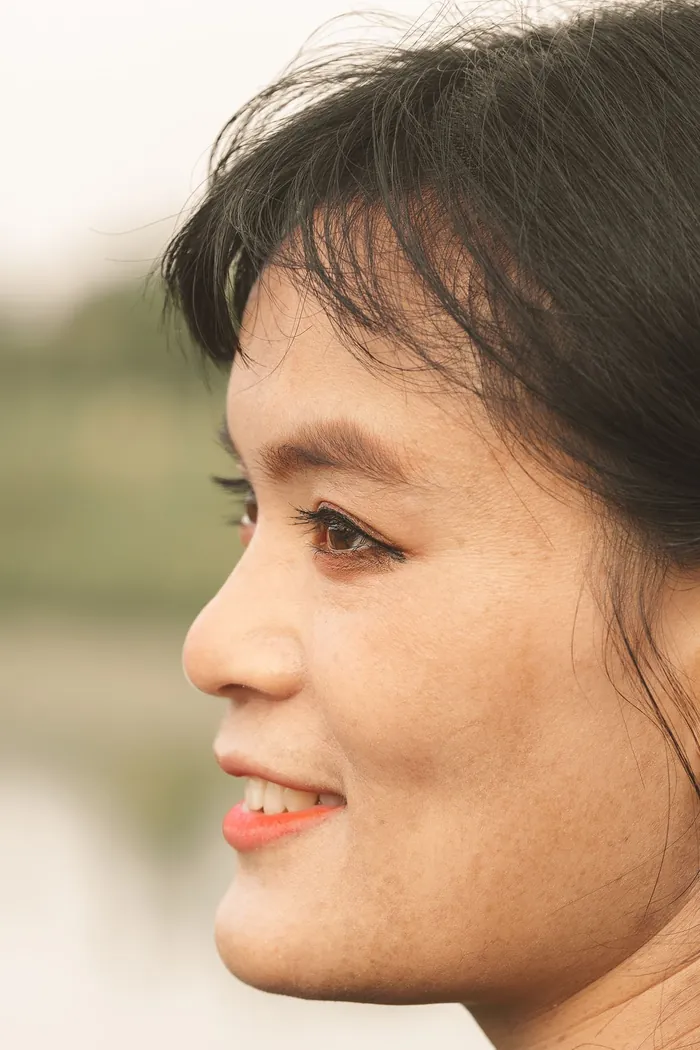
The surgeon brings the ear closer to the head by reshaping the cartilage. The incisions sit behind the ear, and the operation is most often done as a day case.
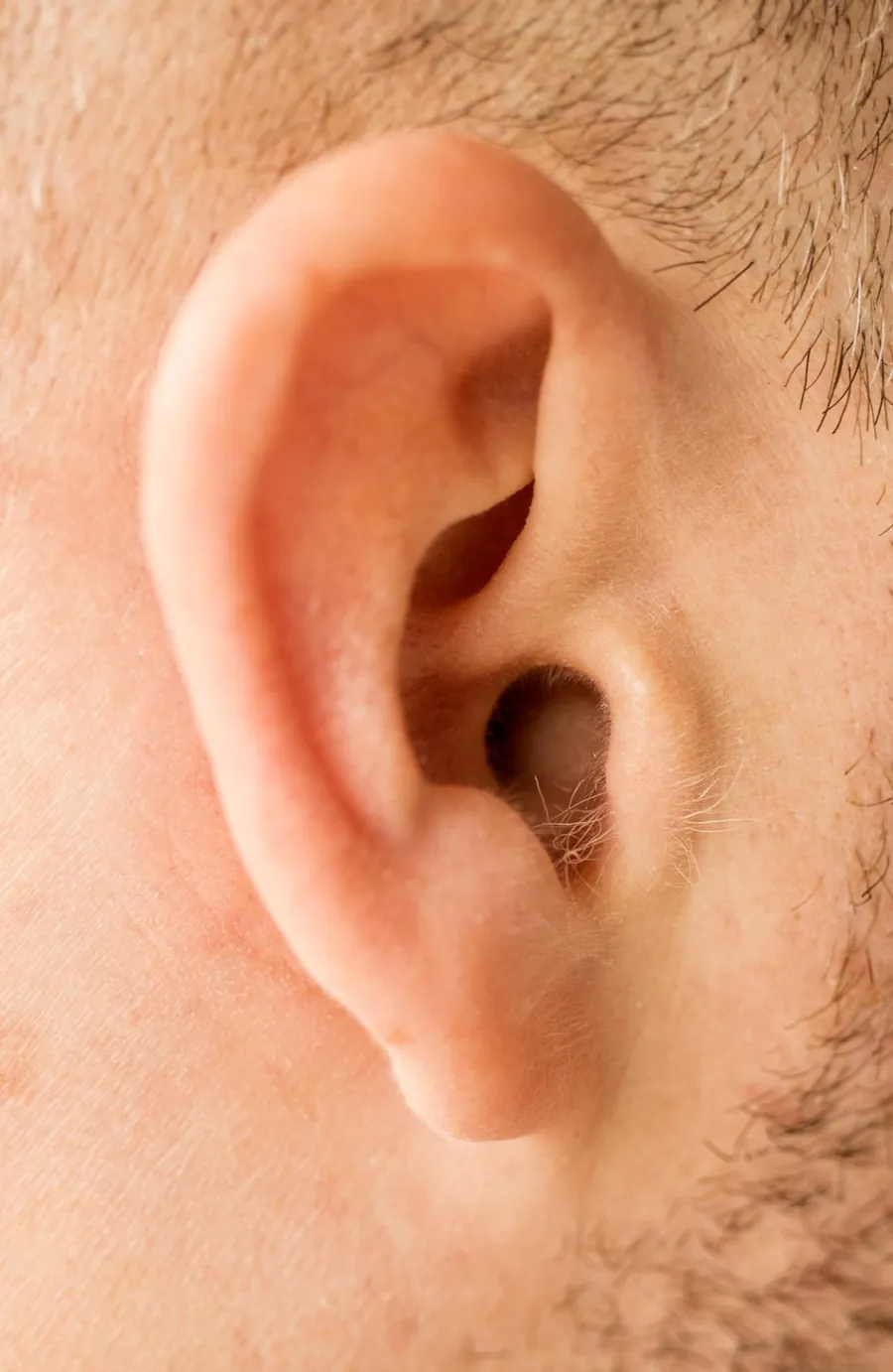

Otoplasty is the operation that corrects prominent ears, asymmetries and some cartilage anomalies. It brings the ear closer to the head while respecting the anatomy of the ear.
It does not change your hearing: it works on the shape and position of the outer ear, not the inner ear. One ear or both can be operated.
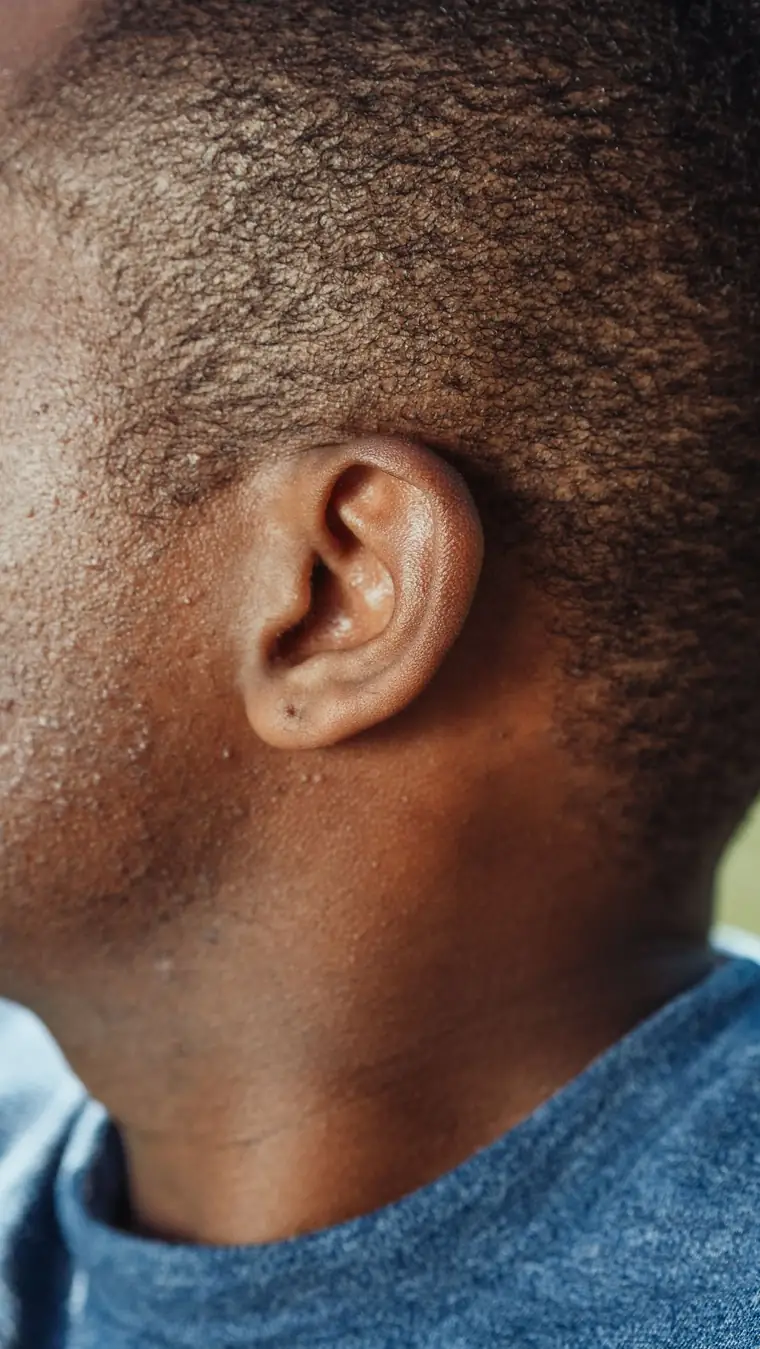
The ear sticks out too far from the head, on one side or both. This is the most common case.
One ear is more open or different from the other. The surgeon brings them closer to each other.
A missing fold or overly stiff cartilage gives an unusual shape. It is reshaped.
Hover over a line to see the part of the ear it refers to.
The ear sits too far from the head. This is what we correct.
Through a cut behind the ear, the surgeon reshapes the cartilage and repositions the ear.
The stitches are discreet and the scar sits in the fold behind the ear.
It is worn day and night for 15 days, then for 21 nights, to hold the ear in place.
Otoplasty lasts about an hour and is most often done as a day case. At Medi’Go, one contact organises everything around it, from the first photo to follow-up after you return.


You send photos of your ears, the team replies, you receive a written quote and you choose your dates.
Airport pick-up, transfer to the hotel, and a dedicated person who stays reachable.
Examination with the surgeon, choice of anaesthesia, then the operation at the clinic, most often as a day case.
The surgeon checks the ears and gives written instructions. After you return, the team checks in on you.
Pick what fits you: the WhatsApp message is prepared for you.
The surgeon chooses the technique to suit your cartilage, from your photos and then at the consultation.
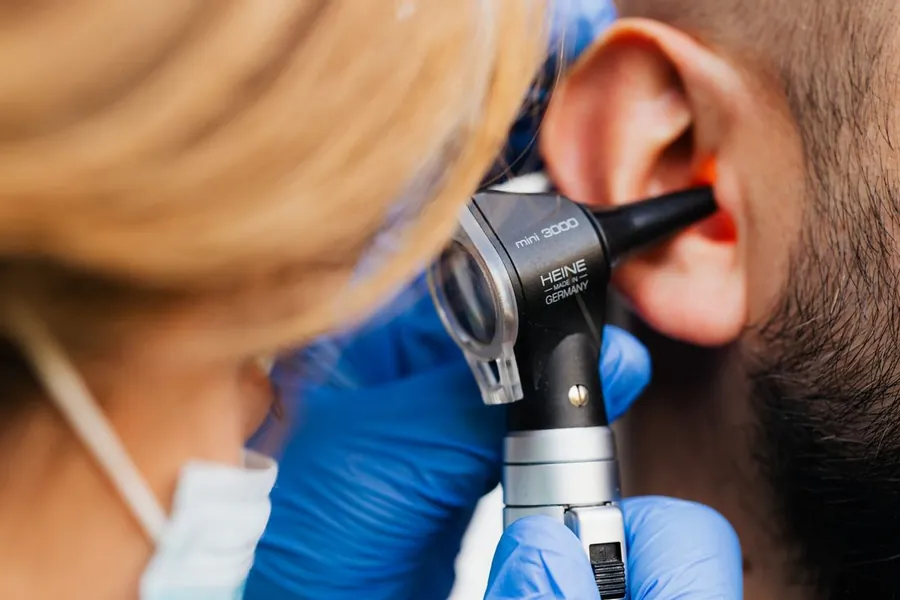
The surgeon studies the shape of your ears and sets the goal with you, from photos before you travel.
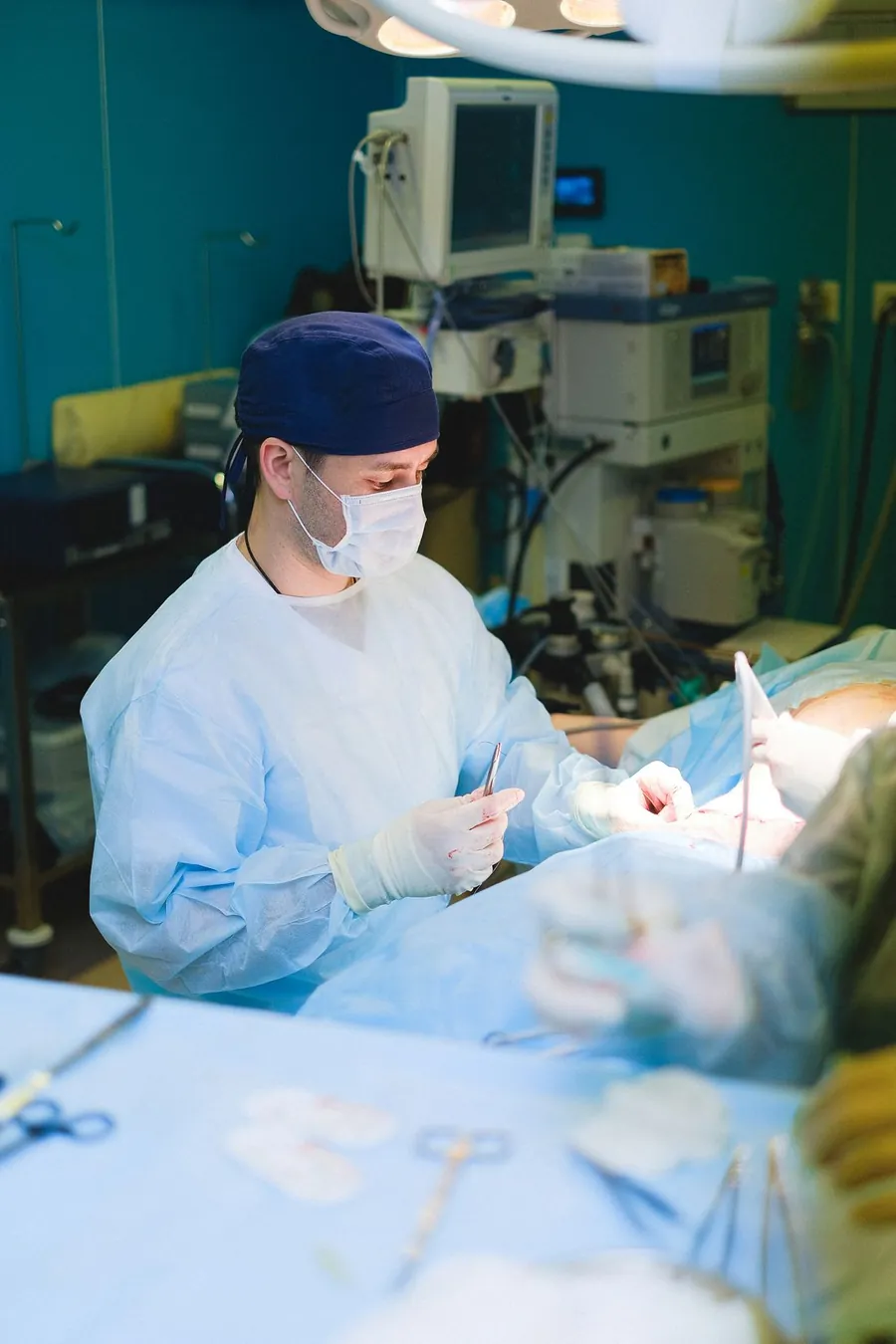
Through an incision behind the ear, the surgeon reshapes the cartilage and repositions the ear.
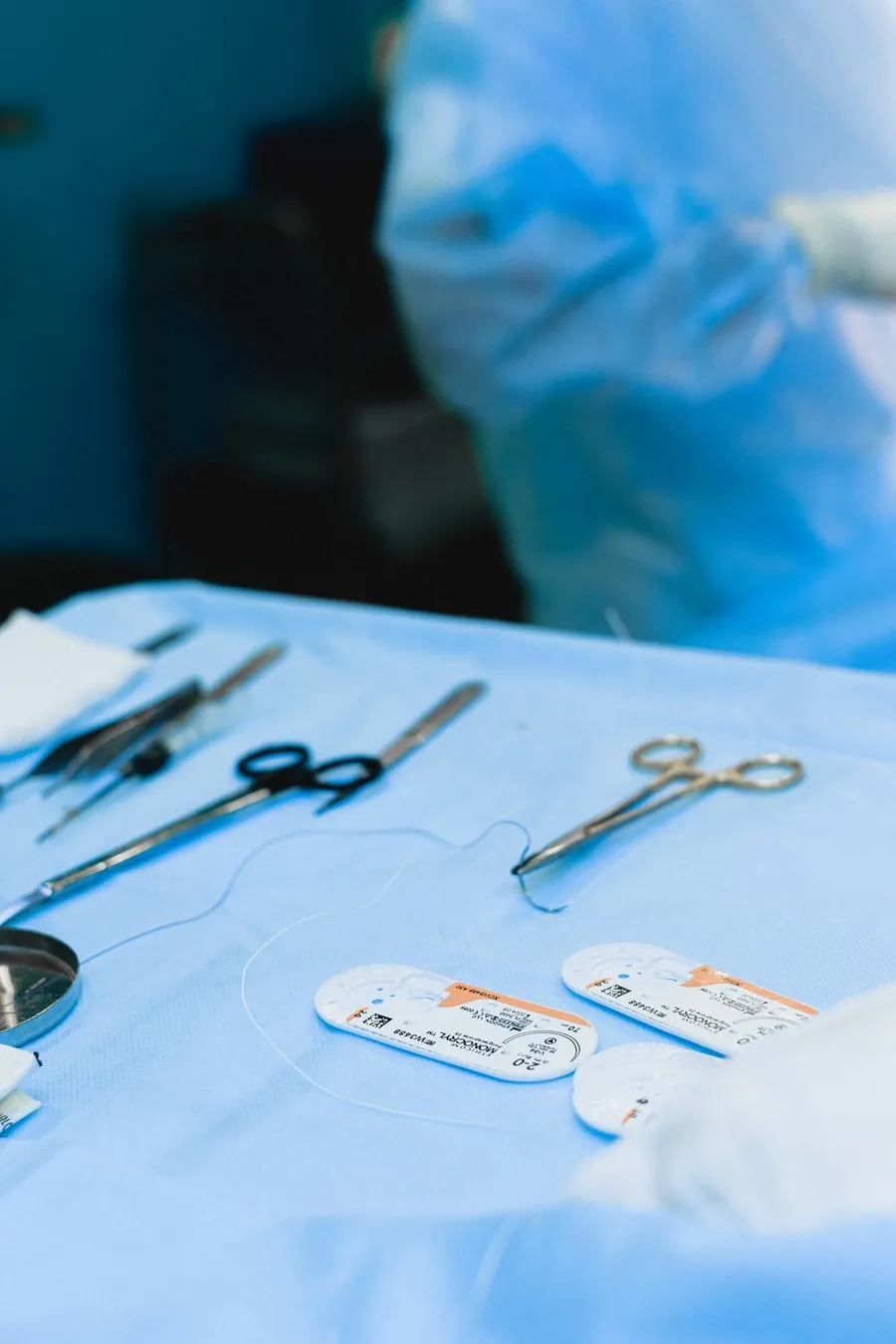
Discreet stitches, scars hidden in the fold behind the ear. A dressing protects the ears for the first 24 hours.
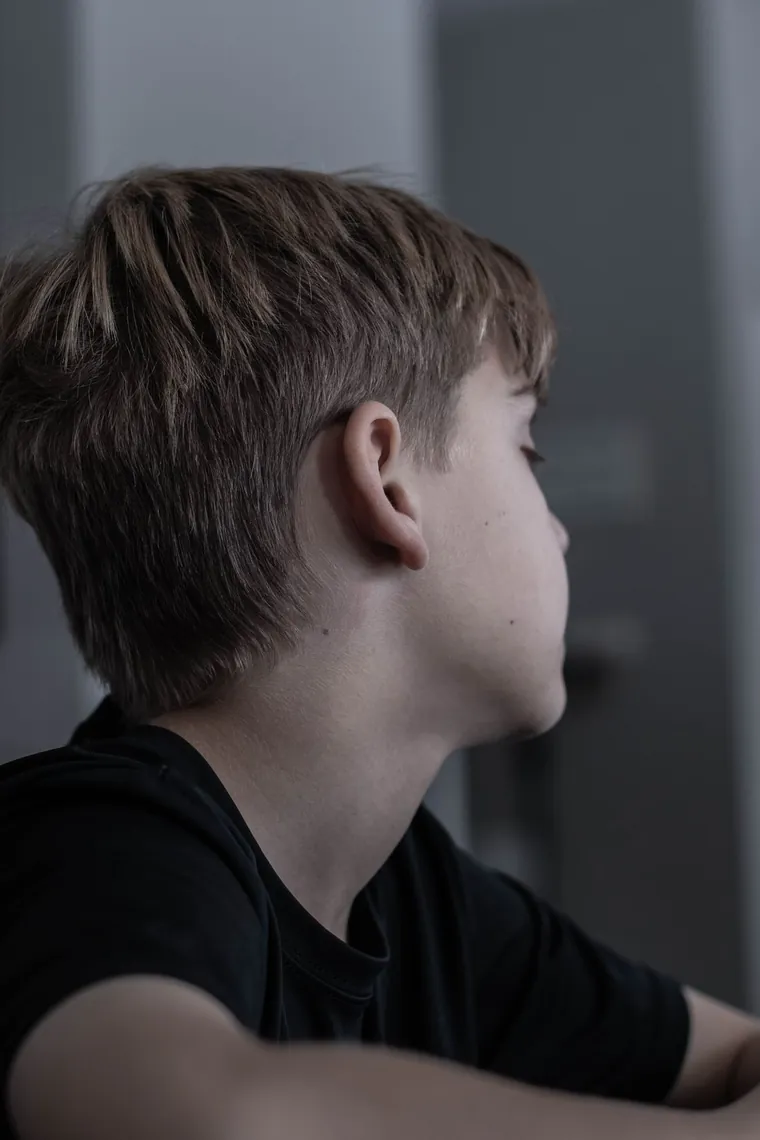
From about 7 years old, with the parents’ consent. Correcting early often spares teasing at school.
Those who avoid photos or hide their ears under their hair. The wish comes from them, the decision is made as a family.
There is no upper age limit. The operation is most often done under local anaesthesia.
Sources: public otoplasty page of the Clinique des Champs-Élysées (CRPCE), American Society of Plastic Surgeons. Your surgeon confirms the indication from your photos.
Each dot is one day: 15 days day and night, then 21 nights. The headband keeps the ear in its new position.
Most often local in adults. The anaesthetist confirms the choice at the consultation.
About one hour, depending on whether one side or both are operated.
Most often a day case: back to the hotel the same day, with follow-up.
Otoplasty is a medical procedure. Here is what to expect from the team, and what to know before you decide.
They review your photos, then see you before the operation.
Operating room, bedroom and care team on site.
Haematoma, infection, slight asymmetry: they are explained before you decide.
The ear keeps its new position, and the scars hide in the fold behind the ear.
Bring the ears closer to the head, correct an asymmetry and hide the scars behind the ear.
Ears identical to the millimetre, or a result without risk. No result is guaranteed.
Indicative: the surgeon gives written instructions adapted to your case.
Tightness and mild pain are normal. A dressing protects the ears for the first 24 hours.
The headband is worn day and night, then at night only. The surgeon tells you when to return to school, work and sport.
The result settles at about one month. The scars stay hidden behind the ear.
Head dressing, then a first check.
No water on the ears, no hair washing.
Support headband day and night.
Headband at night only.
Final result, natural look.
Indicative: the surgeon gives you written instructions. Tightness and mild pain are normal in the first days. If you notice redness, fever or discharge, get checked quickly: the team answers on WhatsApp.
The price depends on the anaesthesia, the clinic and what the surgeon has to correct: a written quote for your case, before you book a ticket.
The exact price is confirmed on a quote, after we study your photos. See also all prices
Get my exact priceAnother question? Write to us on WhatsApp, we reply fast.
From about 7 years old, with the parents’ consent. There is no upper age limit for adults.
No. The operation works on the shape and position of the outer ear, not the inner ear.
Local in adults, general or sedation in children. The anaesthetist and the surgeon confirm the choice at the consultation.
The operation is most often a day case. The surgeon tells you the right length of stay when you receive your quote, with a check before you leave.
Indicatively 15 days day and night, then 21 nights. The surgeon gives you written instructions.
Yes. After the examination, the surgeon can pin back both ears or only one.
Write to us on WhatsApp, the team answers. If there are signs of infection, a quick consultation is needed.
Send photos of your ears from the front, side and back, by WhatsApp or through the form. You receive a free written quote, see the price.
Under anaesthesia you do not feel the operation. Afterwards, tightness and mild pain are normal in the first days, and the surgeon gives you instructions.
The surgeon tells you according to your case, in the written instructions you receive before you leave.
Free, confidential and with no commitment. The surgeon studies your photos, your adviser replies on WhatsApp.

We use cookies to measure the site’s audience and the performance of our ads. The cookies needed for the site to work are always active. You can accept all, refuse all or choose, and change your mind at any time. Cookie policy